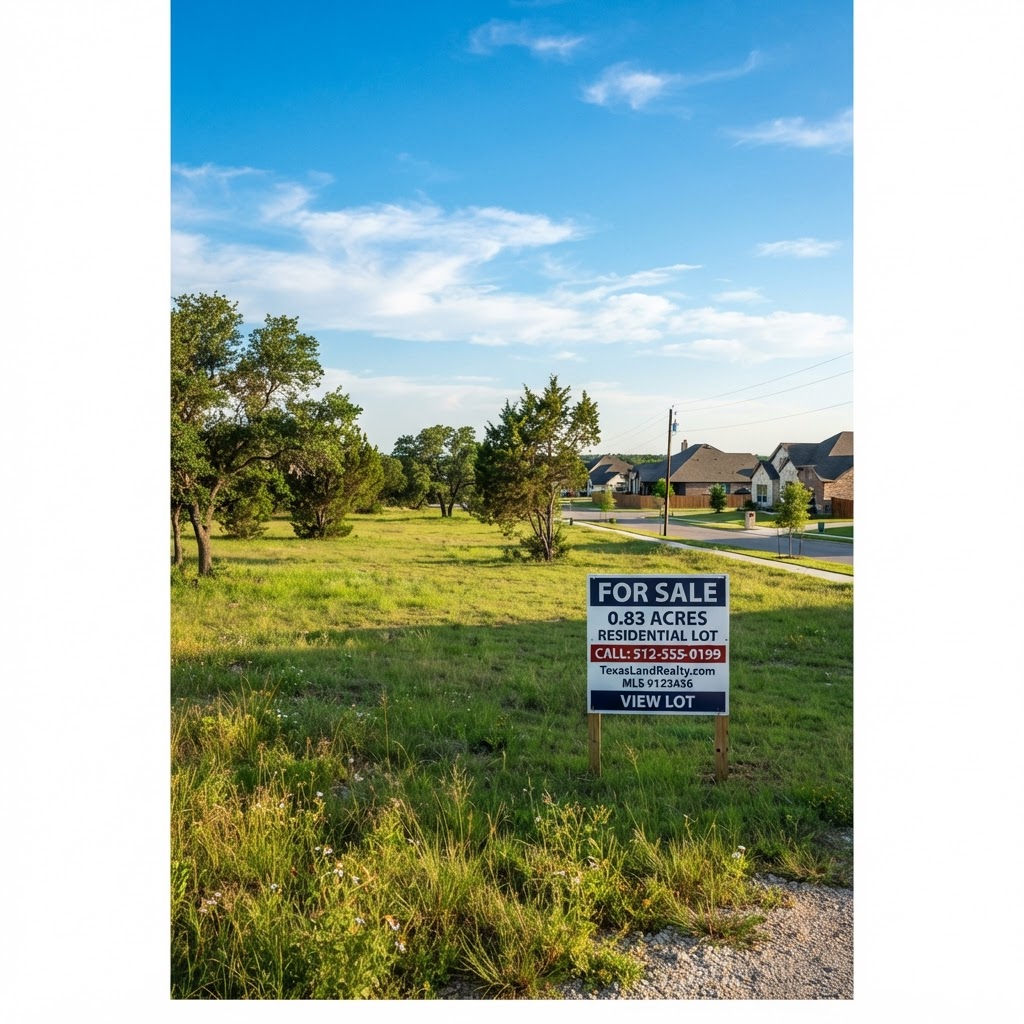
What is a land loan?
A land loan finances the purchase of a vacant lot or acreage — whether you plan to build on it soon, hold it as an investment, or develop it later.
Land loans are not mortgages. Because there is no completed home securing the loan, lenders see more risk, so terms are shorter, down payments are larger (often 25–35%), and rates are higher than a home purchase loan. The right program depends on the land type: raw land (no utilities or improvements), improved land (road access, utilities, or a pad), or a finished lot in a platted subdivision.
If you plan to build soon, a construction-to-perm or lot loan that converts to a construction loan can be a better fit than a standalone land loan. We review your timeline and intended use to point you to the right structure.
Land loans at a glance
Land loans: did you know?
A few facts that shape how land deals are financed.
Raw, improved, and finished are different
Raw land has no utilities or road access; improved land has some; a finished lot is platted with utilities to the lot line. Each tier gets better terms — raw is the hardest to finance.
Acreage changes the loan
Larger tracts often need a different lender (farm, ranch, or recreational land programs). A 1-acre lot and a 50-acre tract are not the same loan.
Building soon? Use construction-to-perm
If you plan to build within a year, a construction-to-permanent loan usually beats a standalone land loan — one closing, and the lot rolls into the construction financing.
Zoning drives eligibility
Lenders want the land zoned for its intended use. Agricultural, residential, and mixed zoning each open or close different programs. Check zoning before you fall in love with a parcel.
Utilities matter for terms
Land with water, power, and sewer to the lot line (or a plan to bring them) qualifies for better terms than land where utilities are far off — the cost to bring utilities is a real risk.
Holding land is a valid strategy
A land loan can let you secure a lot now and build later. Just know the term is shorter and a balloon or refinance is usually part of the plan.
Who a land loan fits
- Buyers who found the right lot but are not ready to build yet.
- Investors holding land for future appreciation or development.
- Buyers of improved or finished lots in a platted subdivision.
- Anyone who wants to secure land now and roll it into a construction loan later.
- Buyers of recreational or small acreage tracts (separate programs apply).
Land loan FAQ
Raw land has no utilities or road access. Improved land has some utilities or road access. A finished lot is platted in a subdivision with utilities to the lot line. Each tier qualifies for better loan terms — raw is the hardest to finance, finished lots the easiest.
Educational content only. This page is not financial, legal, or tax advice, a commitment to lend, or an offer of credit. Land loan terms depend heavily on location, land type, intended use, and improvements; figures cited are general and eligibility always depends on your full scenario. Liuver Duran, NMLS #2579601. Sociable Mortgage LLC, NMLS #2498240. Equal Housing Opportunity.
Sources
Your next step