What is a commercial loan?
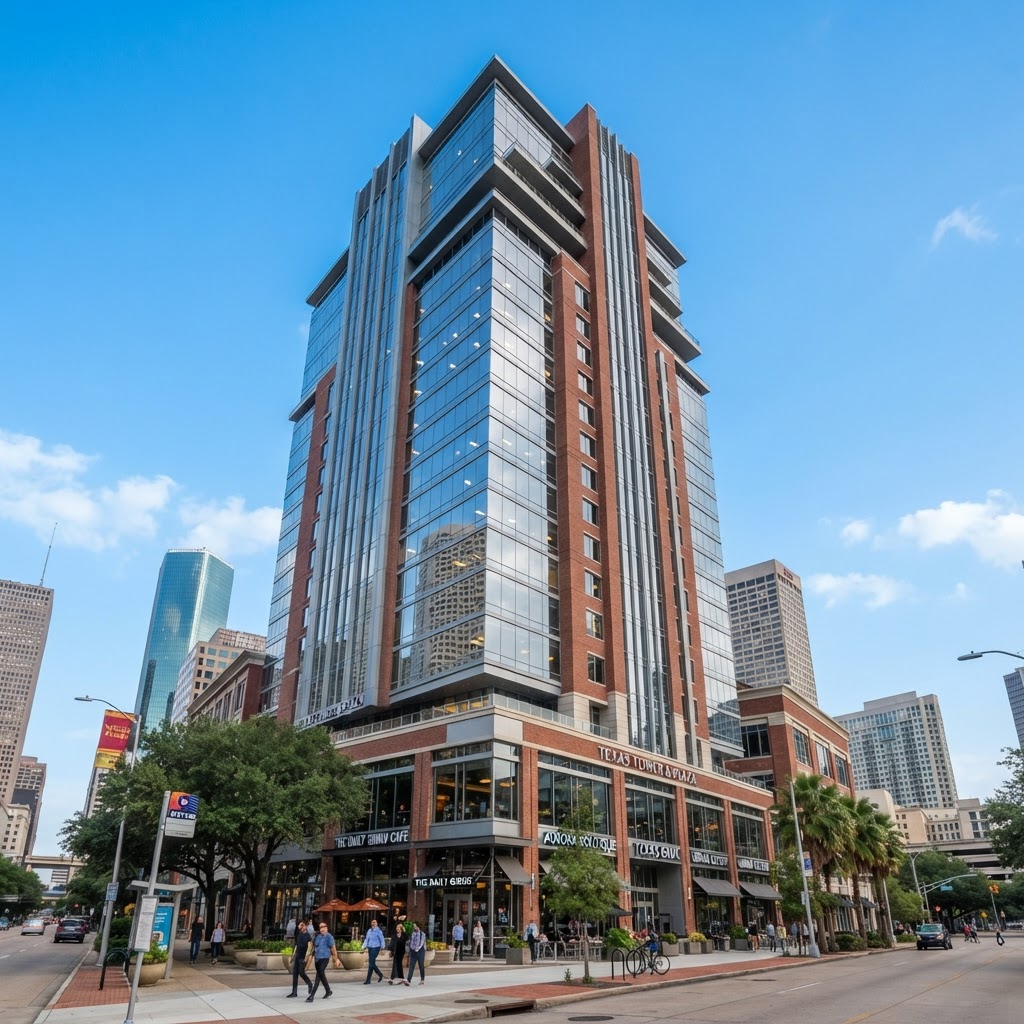
A commercial loan finances property used for business purposes — a retail storefront, an office building, a warehouse, or a mixed-use building with both commercial and residential units.
Unlike a residential mortgage, a commercial loan is underwritten mainly on the property's income and the borrower's business strength, not just personal W-2 income. That makes the structure flexible: the rate, term, amortization, and down payment all depend on the deal.
Commercial loans are not standardized the way Fannie Mae or FHA loans are. Each lender sets its own terms, so the right loan depends on the property type, how it is occupied (owner-occupied vs. leased), and the strength of the rent roll. We review your scenario against what current programs allow before recommending a direction.
Commercial at a glance
Commercial loans: did you know?
A few facts that shape how commercial deals are structured.
The property pays the loan
Commercial underwriting leans on the property's net operating income, not just your personal income. A strong rent roll can qualify a deal even when your W-2 would not.
DSCR is the key ratio
Lenders divide the property's NOI by the mortgage payment to get the debt-service coverage ratio. Most want at least 1.25x — meaning the property earns 25% more than the payment.
SBA can lower your down payment
For owner-occupied commercial property, SBA 7(a) or 504 loans can bring the down payment as low as 10% — a real option for business owners buying their own space.
Mixed-use is its own category
A building with commercial ground floor and residential above is mixed-use. The mix ratio (commercial vs. residential square footage) decides which program fits.
Rate and term are separate
A 5-year fixed rate on a 25-year amortization is common. The rate resets after the fixed period, so the deal has to work both now and at reset.
Watch the prepayment penalty
Many commercial loans have a yield-maintenance or step-down prepayment penalty. Selling or refinancing early can trigger a fee — know it before you commit.
Who a commercial loan fits
- Business owners buying the space they operate from (owner-occupied).
- Investors adding retail, office, or warehouse property to a portfolio.
- Buyers of mixed-use buildings with commercial and residential units.
- Owners looking to refinance a commercial property for better terms or cash-out.
- Anyone with a property whose income — not just their W-2 — should drive the loan.
Commercial loan FAQ
Typically 20–30% for an investor property. For owner-occupied space, SBA-backed loans can bring the down payment as low as 10%. The exact number depends on the property type, the rent roll, and the borrower strength.
Educational content only. This page is not financial, legal, or tax advice, a commitment to lend, or an offer of credit. Commercial loan structures vary widely by lender, property type, and use case; figures cited are general and eligibility always depends on your full scenario. Liuver Duran, NMLS #2579601. Sociable Mortgage LLC, NMLS #2498240. Equal Housing Opportunity.
Sources
Your next step