What Is a Home Appraisal — and Why Does It Affect Your Loan?
Before your mortgage closes, a professional will put an official dollar value on the home you want to buy. Here's what that means for you, your loan, and your peace of mind.

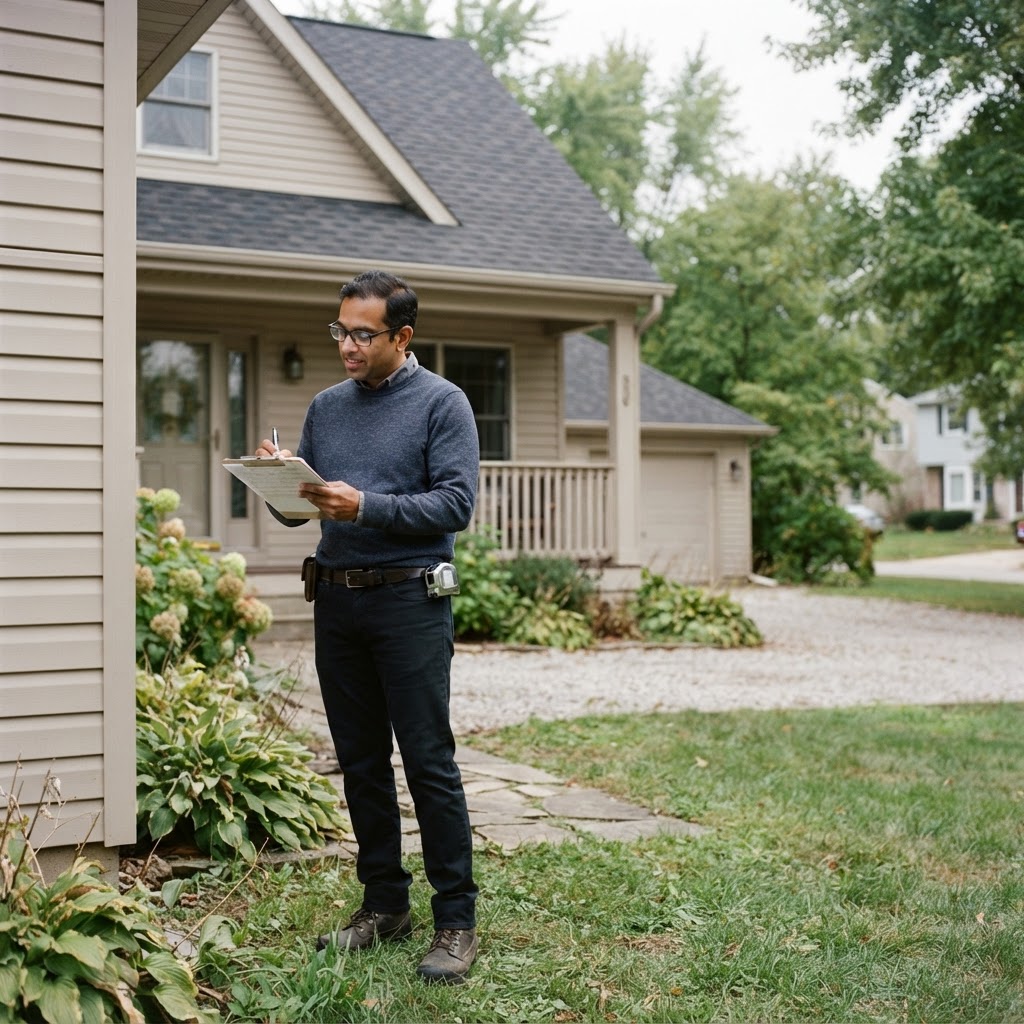
You found the house. The offer got accepted. You're somewhere between excited and terrified — and then your lender says, "We need to schedule the appraisal." And just like that, a word you've heard before but never fully understood suddenly feels very important.
Don't worry. I get that call from clients all the time. Let me explain what an appraisal actually is, why the bank requires it, and what happens if the number comes in lower than your purchase price — because yes, that can happen, and it's not the end of the world.
The appraisal is one of those steps that can feel like a black box. You pay for it, you wait for it, and then a number comes back that can change everything. So let's open that box.
What Is a Home Appraisal, Exactly?
A home appraisal is an independent professional opinion of what a property is worth — right now, in today's market. A licensed appraiser visits the home, measures it, inspects its condition, and then compares it to similar homes that have sold recently in the same area.
The result is a written report with a dollar value. That number is the appraised value.
- The appraiser is hired by the lender, not by you or the seller
- You typically pay for it upfront — usually between $400 and $600 for a standard single-family home
- It takes anywhere from 5 to 10 business days to get the report back
The bank needs this because they're not lending you money based on the purchase price — they're lending based on the lesser of the purchase price or the appraised value.
Why Does the Appraised Value Affect Your Loan?
Here's the part that catches people off guard, so I want to give you a real example.
Say you agree to buy a house for $320,000 and you're putting 5% down ($16,000). The bank is ready to lend you $304,000. So far, so good.
But the appraisal comes back at $305,000 — not $320,000.
Now the lender will only lend based on $305,000. With your 5% down, they'll lend you $289,750. That leaves a $14,250 gap between what the bank will lend and what the seller wants. Someone has to cover that gap.
Your options in that scenario:
- Negotiate the price down — ask the seller to lower the price to match the appraised value
- Pay the difference out of pocket — if you have the cash
- Meet in the middle — split the difference with the seller
- Walk away — if you have an appraisal contingency in your contract (and you should)
This is why having a knowledgeable realtor and loan officer on your side matters. A low appraisal doesn't automatically kill a deal — but you need to know your options fast.
What Do Appraisers Actually Look At?
Appraisers aren't just eyeballing the house. They're building a case for a number using real data.
- Square footage and layout — size matters, but so does usable space
- Condition of the property — updated kitchen or bathroom? That helps. Peeling roof? That hurts.
- Comparable sales ("comps") — homes similar in size, age, and location that sold in the last 3–6 months
- Location factors — school district, proximity to main roads, neighborhood trends
- Lot size and any structures — garage, pool, guest house, etc.
One thing I always tell my clients: the appraiser is not trying to kill your deal. They're just doing their job — giving the bank an honest, data-backed number.
Can You Challenge a Low Appraisal?
Yes, and sometimes it works. If you believe the appraiser missed a recent comparable sale or made an error in the report, your lender can submit a Reconsideration of Value (ROV). You'd need to provide specific comps and a clear reason why the value should be higher.
It's not a guarantee — but I've seen it work when there's real evidence to support it.
Next Steps: Know Before You Close
The appraisal isn't something you can control — but understanding it gives you power. You'll know what questions to ask, what to expect, and how to respond if the number isn't what you hoped.
If you're in the middle of a purchase, just got an appraisal back, or are still in the early stages of figuring out if buying makes sense for you — reach out to me directly. I work with buyers at every stage, no matter where you're starting from.
Send me a message and let's figure out your next step together. No pressure, just a real conversation.
Your next step
Have Questions About Your Appraisal?
I work with buyers in Texas and Florida every day — and I'm happy to walk you through what to expect before, during, and after the appraisal. No pressure, just answers.