Can I Buy a House Without a Social Security Number?
Yes — you can buy a home in the U.S. with an ITIN instead of a Social Security Number. I have walked dozens of families through exactly this, and here is what I tell them, with real numbers.

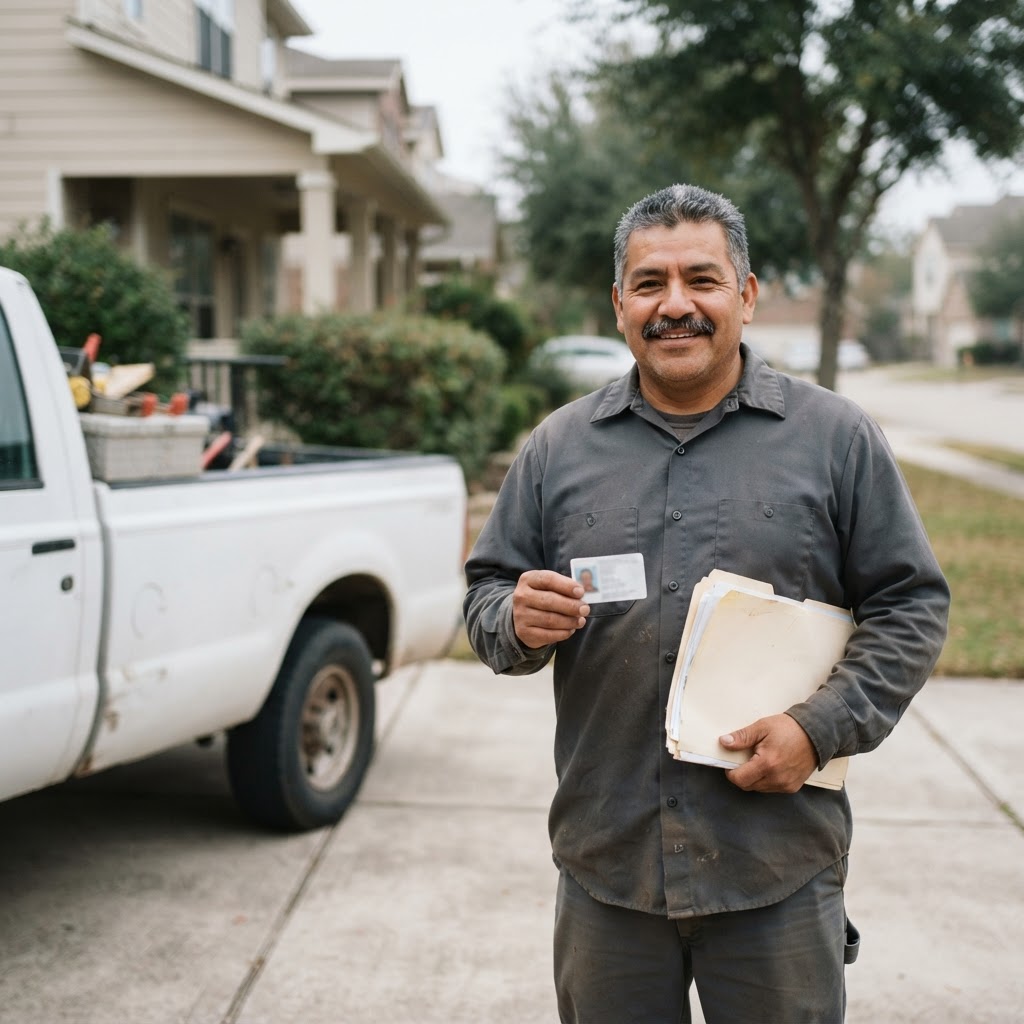
Buying a house without a Social Security Number is more possible than most people realize — and more common than you might think. I've closed this exact type of loan many times for clients who assumed homeownership simply wasn't available to them yet. It is, and the path is clearer than you'd expect.
If you have an Individual Taxpayer Identification Number, you may already have everything you need to get started. ITIN mortgage loans are real, fully underwritten home loans — not workarounds or second-class products. The process looks a lot like any other mortgage, and the results are the same: you get keys to a home you own.
Let me walk you through exactly how this works, what to expect, and what I look at when I sit down with a new client to build their file.
What Is an ITIN Mortgage Loan?
An ITIN mortgage is a home loan for people who use an Individual Taxpayer Identification Number instead of a Social Security Number to identify themselves financially. This is a well-traveled path for immigrants, foreign nationals, and non-resident taxpayers who are building their lives in the United States.
These are fully underwritten mortgages. I verify income, review credit history, and evaluate the property — the same process I follow on every loan I close. The difference is simply what identification number sits at the top of your file.
- Designed for borrowers without an SSN who have a valid IRS-issued ITIN
- Available for primary residences, and in some cases other property types
- Falls under Non-QM (non-qualified mortgage) programs, which means more flexibility in how income is documented
Who Qualifies for an ITIN Loan?
Every file is a little different, but here is what I typically work through with my ITIN clients:
- Valid ITIN issued by the IRS
- Proof of income — pay stubs, an employer letter, or 12–24 months of bank statements if you're self-employed
- Down payment — typically starting around 10%, though 15% or more usually unlocks better rates and terms
- Credit history — a U.S. credit score helps, but if you don't have one yet, I can often build an alternative credit profile using rent payments, utility bills, or insurance payment history
- Sourced funds — if your savings are held in cash rather than a bank account, there is a path for that too, though ideally those funds have been seasoned in your account for at least 60 days
Find Out If You Qualify
Answer a few quick questions and I'll tell you exactly where you stand with an ITIN loan.
Do You Need to File Taxes to Qualify?
A lot of people assume they need years of tax returns just to start the conversation — and that's not always true. You do not necessarily need to have filed taxes to qualify for an ITIN loan. There are programs where income can be documented through bank statements or other means instead.
That said, here's what I tell my clients honestly: if you have filed taxes and your reported income came out strong, that actually works in your favor. Lenders calculate your debt-to-income ratio from those numbers, and higher documented income can get you access to better rates and lower monthly payments. If you've been filing and your returns show solid income, bring them — they could save you real money every month.
How Much Down Payment Do You Need?
Down payments on ITIN loans run higher than on conventional loans because there is no FHA or VA insurance backing them. In my experience, most clients put down somewhere between 10% and 25%, depending on their credit profile and the property.
Here's how that plays out on a real purchase:
- $280,000 home at 10% down — $28,000 out of pocket at closing, before closing costs
- $280,000 home at 20% down — $56,000 out of pocket, but typically a better rate and lower monthly payment
- Closing costs on that same purchase would run roughly $5,600 to $14,000 (2%–5% of the loan amount)
Putting down 15% or more usually makes a noticeable difference in the rate you'll close with. I always run these exact numbers with my clients before they fall in love with a listing — no one should be surprised at the closing table.
Are ITIN Mortgage Rates Higher?
Yes, ITIN rates do tend to run a bit higher because they fall under Non-QM programs. But this is exactly why I shop your file across multiple lenders instead of sending it to just one. That extra step can make a real difference — sometimes half a percentage point or more — in the rate you actually close with.
To put that in concrete terms: on a $224,000 loan (the amount remaining after 20% down on a $280,000 home), the difference between a 7.5% rate and an 8.0% rate is roughly $70 per month. Over 10 years, that's more than $8,400. Shopping matters.
See Today's ITIN Rates
I'll shop your file across lenders so you get the most competitive rate available.
A Real Example: What the Numbers Look Like
Let's use a $280,000 home and walk through it the way I do with my clients.
- Purchase price: $280,000
- Down payment at 20%: $56,000
- Loan amount: $224,000
- Estimated closing costs: $5,600–$14,000 (2%–5%)
- Total cash to close: approximately $61,600–$70,000
On the income side, I look at your documented income — whether that's tax returns, bank statements, or both — and calculate your debt-to-income ratio the same way any lender would: total monthly debts (including the new mortgage payment) divided by your gross monthly income. Most ITIN programs want that number under 50%.
If your gross monthly income is $5,500 and your total monthly debts including the new mortgage come to $2,600, your DTI would be about 47% — right at the edge of what most programs allow. That's exactly the kind of detail I work through with you upfront, so there are no surprises later.
Start the Conversation — There's No Pressure
If you have questions about your specific situation — your ITIN status, your income documentation, your savings — reach out directly. The first conversation is just a conversation. I work with people in all kinds of situations, and there is no judgment here, only answers.
You may be closer to owning a home than you think. Let's find out together.
Your next step
Want to know if you qualify?
Message me directly — no cost, no obligation, no hard credit pull.