How to Buy a Home With No Down Payment (Yes, It's Possible in Texas & Florida)
You don't always need 20% — or even 3% — to buy your first home. Here's what your options actually look like.

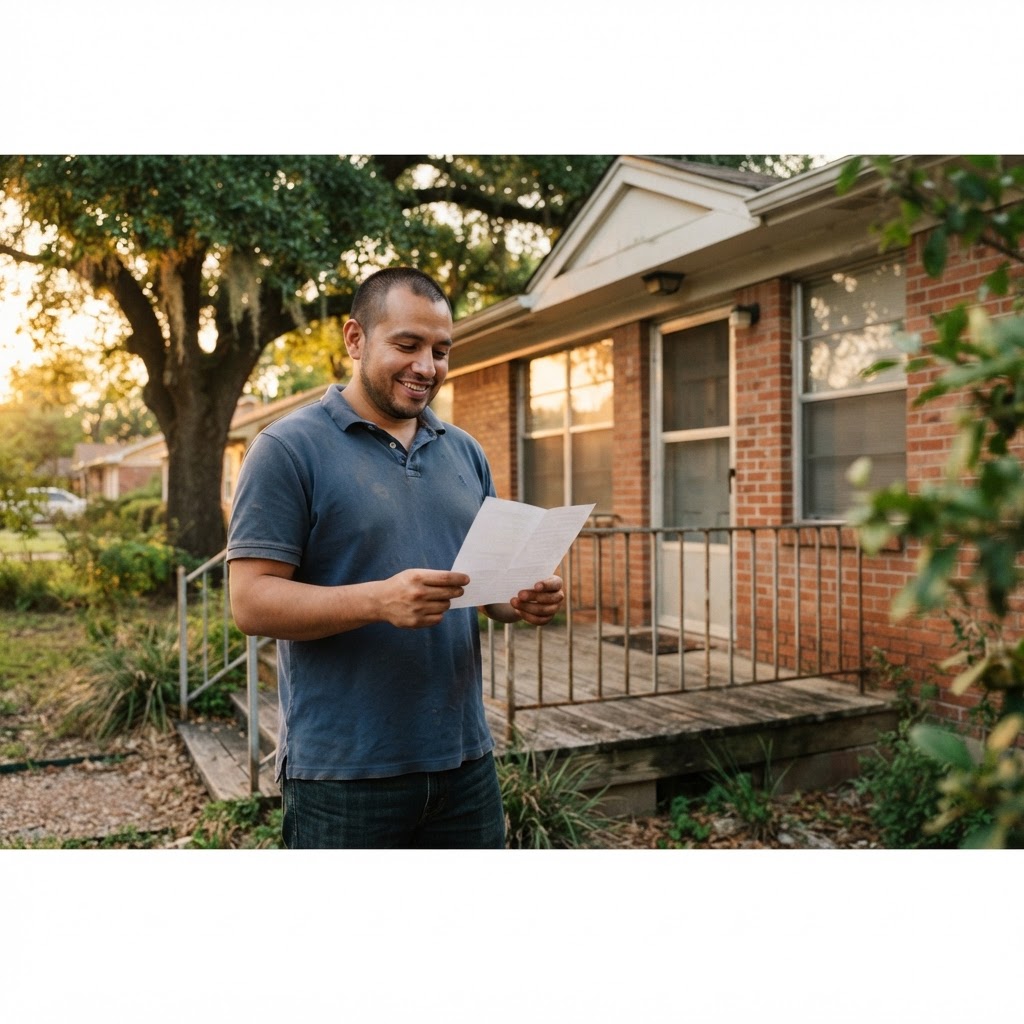
You've probably heard it a hundred times: "You need 20% down to buy a house." If you're working hard, paying rent every month, and watching your savings grow slowly, that number can feel impossible. A $300,000 home? That's $60,000 you'd need to save before even starting. I get why people give up before they try.
But here's what I tell my clients every week: that 20% rule is a myth for most buyers. In Texas and Florida especially, there are real programs — backed by the federal government and state housing agencies — that let you buy a home with little to no money down. I've helped buyers close with $0 out of pocket. Not a trick. Not a gimmick. Just programs that exist and that most people never hear about.
Let me walk you through exactly what's available, who qualifies, and what the real numbers look like.
What "No Down Payment" Actually Means (And What It Doesn't)
Zero down doesn't mean zero cost at closing. That's the honest part I always explain upfront. You may still need money for closing costs — typically 2%–4% of the loan amount — unless those get covered by seller concessions or a grant.
What zero down does mean is that you don't need a lump sum saved just to qualify for the home itself. That's the part that changes everything for most first-time buyers.
The USDA Loan: Literally $0 Down (If You Qualify by Location)
The USDA loan is the most underused program I see. It's backed by the U.S. Department of Agriculture and offers 100% financing — meaning no down payment — for homes in eligible rural and suburban areas.
Here's what surprises most people: large parts of Texas and Florida qualify. Think areas around San Antonio, Laredo, Ocala, and many suburbs outside Orlando and Houston.
Real example:
- Home price: $275,000
- Down payment: $0
- Estimated monthly payment (at ~7% interest, 30-year term): roughly $1,830/month + taxes and insurance
- Household income limit (varies by county): typically $110,650 for a family of 1–4 in many Texas/Florida counties
The catch: you need a minimum credit score around 640, and the home must be in an eligible area. That's it.
VA Loans: $0 Down for Veterans and Active Military
If you or your spouse served in the U.S. military, this is the best loan program that exists. Period.
The VA loan offers no down payment, no private mortgage insurance (PMI), and competitive interest rates. On a $300,000 home, skipping PMI alone saves you around $150–$200/month compared to other low-down-payment options.
You'll need a Certificate of Eligibility (COE) and to meet the lender's credit requirements — usually 580–620 minimum. I can help you get that COE if you're not sure where to start.
Find Out If You Qualify for $0 Down
Takes 10 minutes to find out which no-down-payment program fits your situation.
Down Payment Assistance Programs in Texas and Florida
Even if USDA and VA don't apply to you, both Texas and Florida have state-level assistance programs that can cover your down payment.
- Texas: The My First Texas Home program offers down payment assistance of up to 5% of the loan amount, combined with a 30-year fixed-rate mortgage.
- Florida: The Florida Housing Finance Corporation offers programs like the Florida Assist (up to $10,000 in down payment help as a 0% interest loan).
Example with DPA in Florida:
- Home price: $280,000
- FHA loan (3.5% down = $9,800 needed)
- Florida Assist covers $9,800 → your down payment out of pocket: $0
- You still need funds for closing costs, but even those can often be negotiated with the seller
These programs have income and purchase price limits, and they require homebuyer education in some cases. Totally manageable.
What About If I Don't Have a Social Security Number?
This one matters to a lot of people in my community, so I'll say it plainly: you don't need a Social Security number to buy a home. ITIN loans exist and are a real path to homeownership for people without a traditional SSN. The terms are different, and the down payment requirements are typically higher (10%–20%), but it's not zero down — it's still possible.
I'll cover ITIN loans in full detail in a separate article, but I wanted you to know: your situation is not a dead end.
Not Sure Which Program Is Right for You?
Let's look at your specific situation together — no pressure, just clarity.
Next Steps: Let's See What You Actually Qualify For
Here's my honest summary: no-down-payment homeownership is real, but it's not one-size-fits-all. The right program depends on your location, income, credit score, and whether you've served in the military.
What I'd suggest: don't rule yourself out before talking to someone who can actually look at your numbers. I've seen people convinced they couldn't buy — who closed three months later.
If you're in Texas or Florida and want to know what you qualify for today, send me a message. No sales pitch, no pressure. Just an honest conversation about what's possible for you.
Your next step
Not Sure Which Zero-Down Option Fits You?
Every situation is different. Let's talk through your numbers together — no pressure, no commitment. I'll tell you exactly what you qualify for.