How Much Down Payment Do You Really Need to Buy a House?
The honest answer might surprise you — and save you years of waiting.

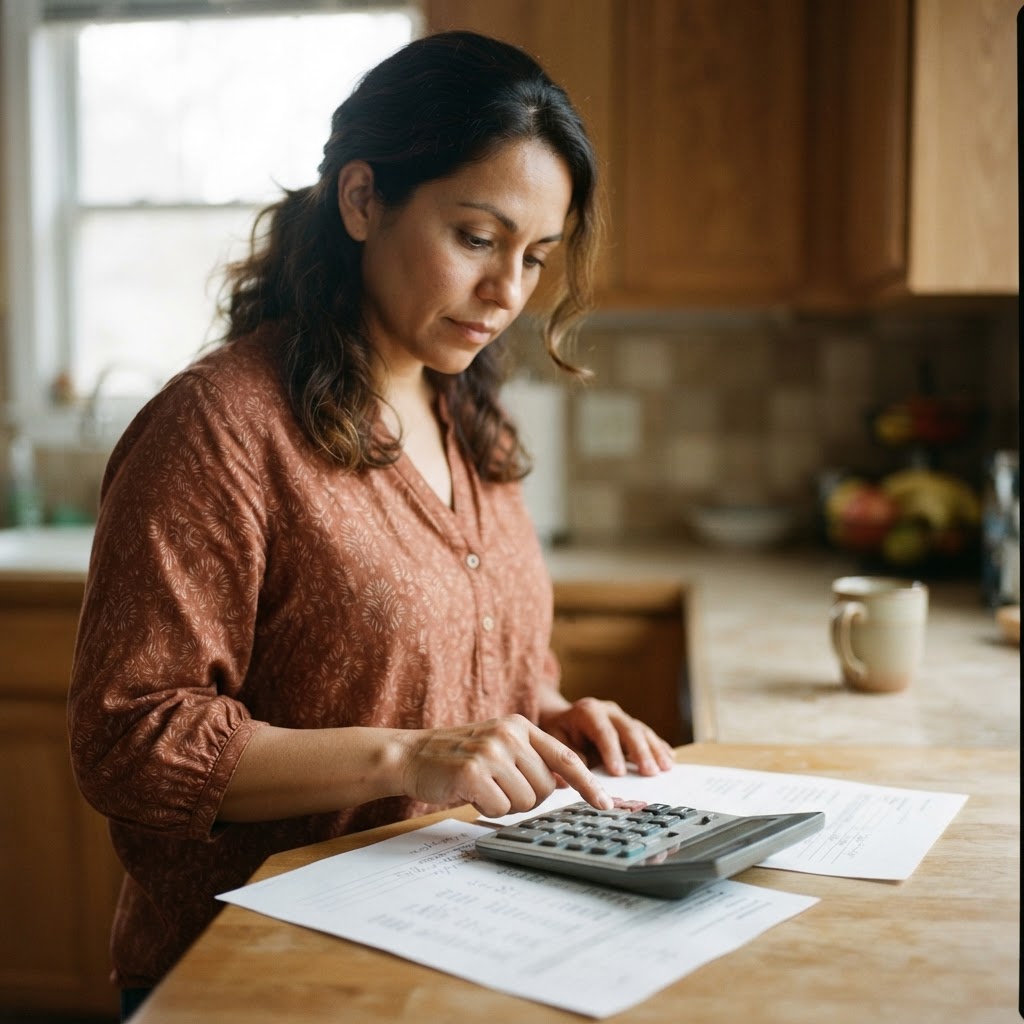
Almost every week, someone tells me the same thing: "Liuver, I don't have 20% saved. I guess I'm not ready yet."
And every time, I stop them right there — because that's not what not having 20% means.
The idea that you need 20% down to buy a house is probably the single biggest myth keeping good families stuck renting longer than they have to. I've seen it happen too many times. People waiting, saving, watching home prices climb — all because nobody told them the real numbers. So let me tell you the real numbers.
What You Actually Need Depends on the Loan — and You Have More Options Than You Think
There's no one-size-fits-all answer here, and that's actually good news. Depending on your situation, you might qualify for more than one path. Here's what most buyers I work with have access to:
- Conventional loan: As low as 3% down for first-time buyers
- FHA loan: As low as 3.5% down — and more forgiving on credit scores
- VA loan: 0% down — for veterans and active military who've earned it
- USDA loan: 0% down — for homes in certain rural and suburban areas
- ITIN loans: If you don't have a Social Security number, options still exist — down payment requirements vary, but this is not a dead end
Let me make that concrete. On a $300,000 home, here's what we're actually talking about:
| Loan Type | Down Payment % | Amount You'd Need |
|---|---|---|
| Conventional | 3% | $9,000 |
| FHA | 3.5% | $10,500 |
| VA / USDA | 0% | $0 |
That's a number you can put on a piece of paper and build a real plan around. Not "it depends." Not "contact us to learn more." A real number.
The Truth About PMI That Most Loan Officers Skip Over
I want to be straight with you — because that's how I'd want someone to talk to me if I were sitting across the table.
If you put less than 20% down on a conventional loan, you'll pay PMI — Private Mortgage Insurance. It's not a penalty; it's just how the program works. Typically it runs between 0.5% and 1.5% of your loan amount per year, added into your monthly payment.
On a $290,000 loan, that's roughly $120 to $360 per month extra.
Is that a dealbreaker? For most of my clients, no — and here's why:
- They're already paying rent that builds someone else's equity, not theirs
- Paying a little PMI now while owning a home and building wealth beats waiting two or three more years to save 20% while prices keep rising
- PMI isn't permanent — once you reach 20% equity, you can request to have it removed
See What Your Monthly Payment Would Look Like
Get a real number based on your home price, loan type, and down payment — no pressure, no guesswork.
Down Payment Assistance Programs — Most Buyers Don't Know This Money Exists
This is where I see buyers leave real money on the table.
There are programs in most states — grants and forgivable loans — specifically designed to help cover your down payment. I've had clients walk out of closing having paid almost nothing out of pocket, not because they had a lot of savings, but because we found the right program for their situation.
A few things to know:
- Eligibility depends on your state, your income, and the loan type you're using
- Some programs are grants — meaning you never have to pay the money back
- Others are forgivable loans that disappear after you stay in the home for a set number of years
Before you assume you don't qualify, let's actually check. That one conversation could completely change your timeline.
Does My Immigration Status Affect My Down Payment Requirements?
No. Your immigration status does not affect the down payment percentages.
Whether you have a green card, a work visa, DACA status, or you're using an ITIN instead of a Social Security number — the down payment options I described above still apply. What changes is which specific programs are available to you, and that's something I can walk through with you one on one.
I work with buyers in all kinds of situations. Not as a disclaimer — just as a fact. It's part of how I operate, and I'm not shy about it.
What You Should Actually Have Saved Before You Buy
My honest answer: plan for the down payment plus an extra 2–3% for closing costs. Closing costs catch a lot of buyers off guard, and I'd rather you know now than be surprised at the closing table.
On a $300,000 home with 3.5% down, here's what that looks like in real life:
- Down payment: ~$10,500
- Closing costs: ~$6,000–$9,000
- Total to have ready: roughly $16,000–$20,000
And remember — down payment assistance programs can chip away at that number in a meaningful way. That $16,000 could look very different once we explore what's available in your area.
Find Out If You Qualify for Down Payment Assistance
There may be grants or forgivable loans in your state that could cover part of your upfront costs.
Where Do You Stand Right Now? Let's Find Out Together
Every buyer's situation is different. Your credit score, your income, your savings, your immigration status — all of it shapes what the right move looks like for you specifically. There's no generic answer that fits everyone, and anyone who tells you otherwise isn't giving you the full picture.
Here's what I'd encourage you to do: stop guessing and start knowing. If you want to find out exactly where you stand and what you'd actually need to buy a home today, send me a message. I'm not going to pressure you into anything. I'm just going to give you an honest picture — so you can make the decision that's right for your family.
Your next step
Not Sure How Much You Need to Put Down?
Every situation is different. Tell me a little about yours and I'll walk you through exactly what makes sense for you — no pressure, no obligation.