Can You Really Buy a House With a 620 Credit Score?
Short answer: yes. Here's exactly how it works, what loan options are available in Texas and Florida, and what to realistically expect — no hype, just numbers.

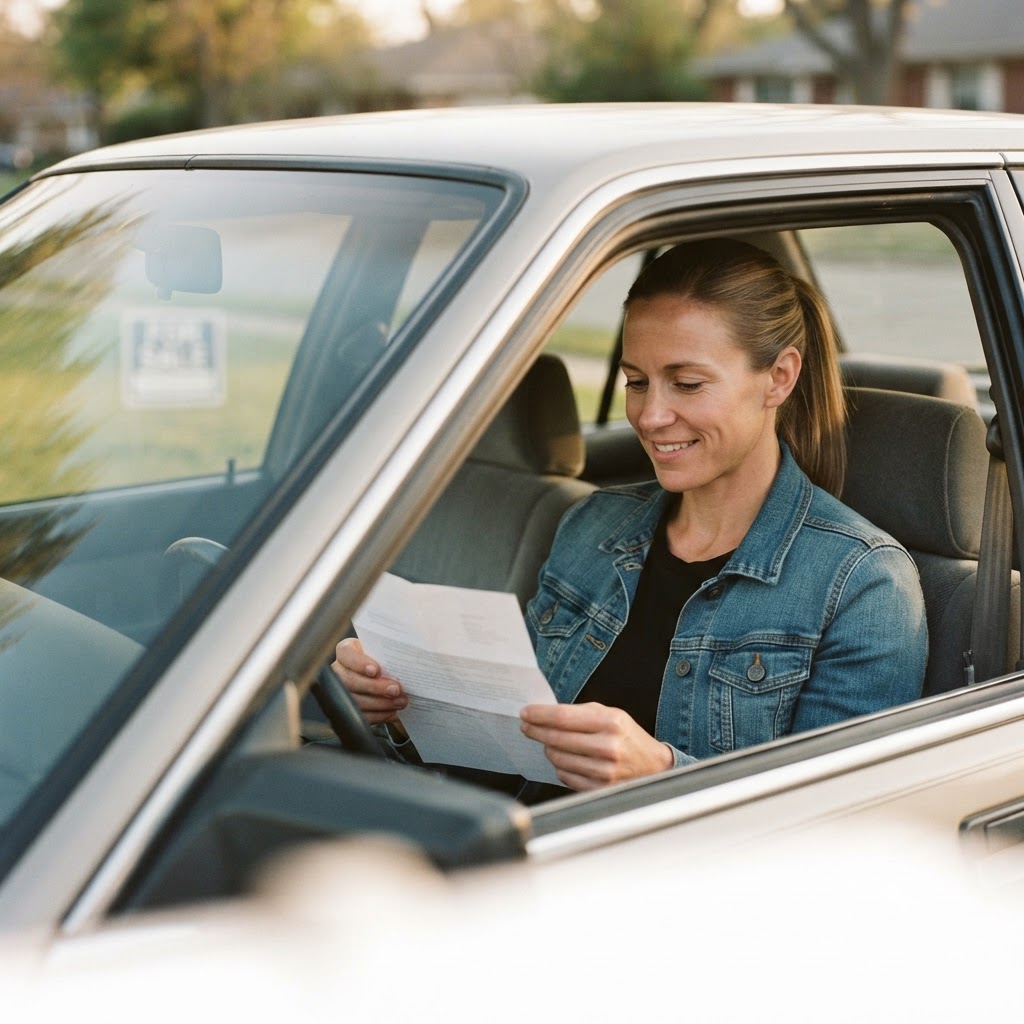
A 620 credit score. For a lot of people, that number feels like a door that's been shut in their face — especially after renting for years, watching your kids grow up in an apartment, and wondering if homeownership is just not in the cards for you. I hear this from clients all the time, and I want to be straight with you: 620 is not the end of the road. For many people, it's actually enough to get started.
I'm not going to sugarcoat anything here. A 620 score does come with some tradeoffs, and I'll walk you through all of them. But what I really want you to take away from this is a clear, honest picture of what's actually possible — with real numbers, not just vague encouragement.
Let's break it down.
What Does a 620 Credit Score Actually Qualify You For?
The most common path for buyers with a 620 credit score is an FHA loan. This is a government-backed loan that allows lower credit scores and smaller down payments than conventional financing.
Here's what that looks like in practice:
- Minimum credit score for FHA: 580 (so 620 gives you a comfortable buffer)
- Down payment required: 3.5% of the purchase price
- Mortgage insurance: Yes, you'll pay it — I'll explain this below
On a $280,000 home, for example:
- Down payment: $9,800 (3.5%)
- Upfront mortgage insurance premium (MIP): ~$4,802 (1.75% of the loan)
- Monthly MIP: roughly $138/month added to your payment
It's not free, but it gets you into a home. And in my experience, most of my clients would rather pay that extra $138 a month and build equity than keep paying rent with nothing to show for it.
Is 620 the Minimum, or Can You Go Lower?
Technically, some lenders accept FHA loans down to 580, and in rare cases even lower with a larger down payment. But I'll be honest — at 580 to 619, you're going to find fewer lenders willing to work with you, and the rates will reflect that risk.
At 620, you're in a much more comfortable position. You're above the floor, more lenders compete for your loan, and you have options. If your score is below 620 right now, a few targeted moves — paying down a credit card balance, disputing an error — can sometimes add 20 to 40 points in 30 to 60 days.
What About Conventional Loans With a 620 Score?
Conventional loans (not backed by the government) typically want a minimum of 620, so you're right at the entry point. The tradeoff: you'll likely get a higher interest rate than someone with a 700+ score, and if you put less than 20% down, you'll pay PMI (private mortgage insurance).
Here's a rough comparison on that same $280,000 home:
- FHA at 620: Rate around 7.25%, monthly payment ~$1,910 + $138 MIP = ~$2,048
- Conventional at 620: Rate around 7.75%, monthly payment ~$1,990 + ~$120 PMI = ~$2,110
FHA often wins at this score range. But every situation is different — that's why talking through your specific numbers matters.
See What You Qualify For
Let Liuver run the numbers on your actual situation — no pressure, no obligation.
What Else Do Lenders Look At Besides Your Score?
Your credit score is important, but it's not the only thing on the table. Lenders also look at:
- Debt-to-income ratio (DTI): Ideally below 43% for FHA. This means if you earn $5,000/month, your total monthly debts (including the new mortgage) should stay under $2,150.
- Employment history: Two years of steady income in the same field is the standard.
- Down payment source: It needs to be documented — savings, gift from family, or down payment assistance programs.
Speaking of assistance programs — many states and counties offer grants or second loans specifically for first-time buyers, and several of them work with FHA financing. This can reduce or even eliminate your out-of-pocket down payment.
Can I Buy With No SSN or Mixed Immigration Status?
Yes. I work with buyers at every stage of their immigration journey — ITIN holders, permanent residents, visa holders. A 620 credit score combined with ITIN income documentation opens real doors. This deserves its own full article, but I didn't want to skip past it without saying it clearly: your status doesn't automatically disqualify you.
Have Questions About Your Specific Situation?
Reach out to Liuver directly — whatever your credit or immigration status, let's talk through what's possible for you.
Next Steps: What to Do If You Have a 620 Credit Score Right Now
Here's what I'd tell you if you were sitting across from me today:
- Pull your credit report and look for errors — they're more common than you think.
- Calculate your DTI before anything else. Know your number.
- Don't apply anywhere before talking to a loan officer who can position your file correctly the first time.
- Ask about down payment assistance in your state — you might need less cash than you think.
A 620 credit score is a real, workable starting point. Thousands of people buy homes every year from exactly where you're standing right now. If you want to talk through your situation — no sales pitch, just honest answers — feel free to reach out to me directly. That's what I'm here for.
Your next step
Ready to See What You Qualify For?
A 620 credit score is more than enough to start the conversation. Message Liuver directly — no pressure, no commitment, just honest answers about your situation.